sports
Voices: I’m a medical student and former ski patroller. Here’s how to keep yourself — and others — safe on the slopes this season.
As winter unfolds and skiers flock to Utah's Wasatch Range, safety on the slopes is paramount. A medical student and former ski patroller shares crucial tips for enjoying a safe ski season, emphasizing skill awareness, proper equipment, and communal responsibility.
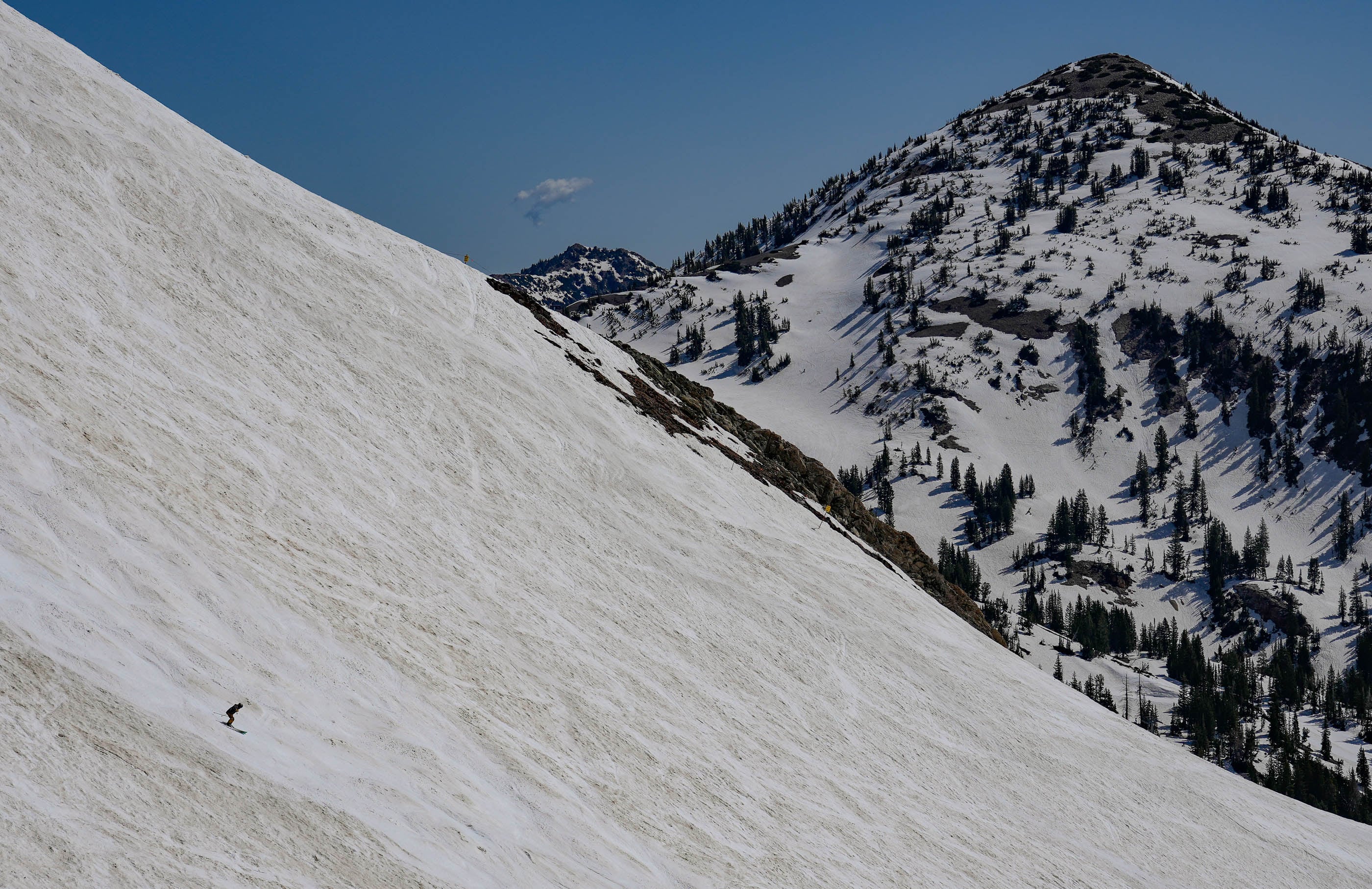
As the 2025-2026 winter season kicks into gear, snow enthusiasts from around the world will flock to Utah's Wasatch Range, eager to experience what many consider to be the best snow on Earth. However, with the excitement of skiing and snowboarding comes the vital responsibility of ensuring safety on the slopes. As a medical student and former ski patroller, I have witnessed the importance of preparation and awareness, and I want to share some key strategies to help keep you and your fellow adventurers safe this winter.
First and foremost, it is essential to understand your own skill level and ski within your limits. This is particularly critical for novice skiers who may be tempted to tackle more challenging terrains. Know your boundaries: choose runs that match your abilities, and don’t hesitate to consult resort staff for advice on appropriate trails. Understanding trail maps and the difficulty ratings can also aid in making more informed decisions on where to ski.
Another essential aspect of safety is proper equipment. Ensure your gear, including ski boots, bindings, and skis, are well-fitted and regularly maintained. Rentals are a great option for those who are new to the sport, but make sure to opt for equipment that suits your skill level. Additionally, wearing a properly fitted helmet can significantly reduce the risk of head injuries, a crucial consideration for skiers and snowboarders of all ages.
It’s not just about individual safety; skiing is also a communal sport. Be sure to communicate with those around you. Familiarize yourself with the rules of the slopes, such as the right of way and the importance of keeping a safe distance from others. Maintaining visual awareness of your surroundings can prevent collisions, which are a common cause of injuries.
Finally, it’s essential to be prepared for emergencies. Ski resorts typically have medical facilities and personnel on-site, but it’s a good idea to familiarize yourself with their location. Carry a small first aid kit and know the basics of how to respond in case of an accident.
This winter season, while the allure of powdery slopes entices many, remember that a little preparation and mindfulness can go a long way in keeping everyone safe on the mountains. Together, let’s ensure a fun and injury-free skiing experience this year, cherishing the thrill of the slopes while protecting ourselves and our companions.