education
Utah’s historic enrollment drop: See how many kids disappeared from each Salt Lake County school
This fall, Utah experienced its largest drop in public school enrollment in over two decades, particularly evident in Salt Lake County. The trends raise questions about educational choices and the implications for traditional public schooling as families explore alternative options.
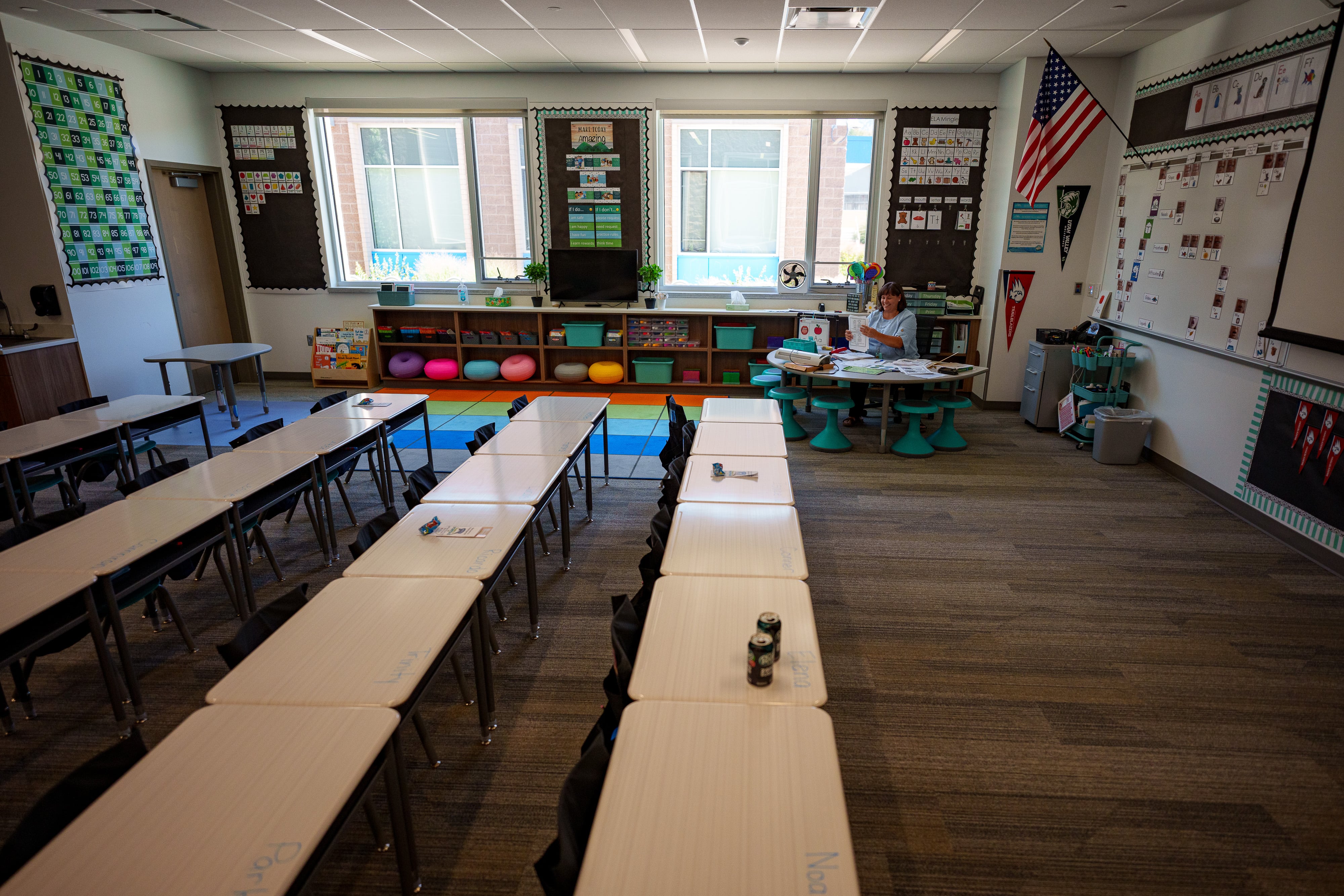
This fall has witnessed a significant decline in public school enrollment across Utah, marking the sharpest decrease in over twenty years. According to recent data, schools in Salt Lake County specifically have experienced a notable drop, raising concerns among educators and policymakers alike. Understanding the factors behind this trend is crucial as it may have long-lasting implications for the educational landscape in the state.
The decline is stark—numbers show that thousands of students have either left the public school system or postponed their academic journey. For instance, many families are opting for alternative educational paths, including private and charter schools, or homeschooling as they seek more tailored options for their children's learning experiences. This trend highlights a growing dissatisfaction with traditional public schooling, prompting questions about resources, teaching quality, and curriculum standards.
Schools that once boasted robust student populations are now re-evaluating their resources and strategies to adapt to this new reality. Various districts within Salt Lake County are reportedly losing hundreds of students, leading to budgetary concerns that could affect educational services and staffing levels. Some schools have initiated outreach programs to better understand parent concerns and attract families back to their local public schools.
Analysts suggest that this enrollment drop could be attributed to several factors, including demographic shifts, the impact of the COVID-19 pandemic on family priorities, and economic conditions that influence educational choices. In particular, families that have become accustomed to flexibility during remote learning periods are now seeking a broader array of educational options beyond the traditional classroom setting.
In response to this situation, local education authorities are evaluating potential reforms aimed at enhancing the appeal and efficacy of public schooling, including initiatives that could improve school climate and academic performance. The long-term ramifications of this decline could reshape the educational framework in Utah, making it imperative for stakeholders to address these challenges head-on to ensure a high-quality educational experience for all students. As the community grapples with this issue, the future of public education in Utah remains uncertain, calling for immediate attention and strategic planning.