religion
Latter-day Saint leaders break with tradition on temples
The recent announcement by Dallin H. Oaks during the Latter-day Saint General Conference surprised many as he chose not to introduce plans for new temples. This decision marks a significant shift in tradition, leading to speculation regarding the church's future direction and priorities amidst changing global circumstances.
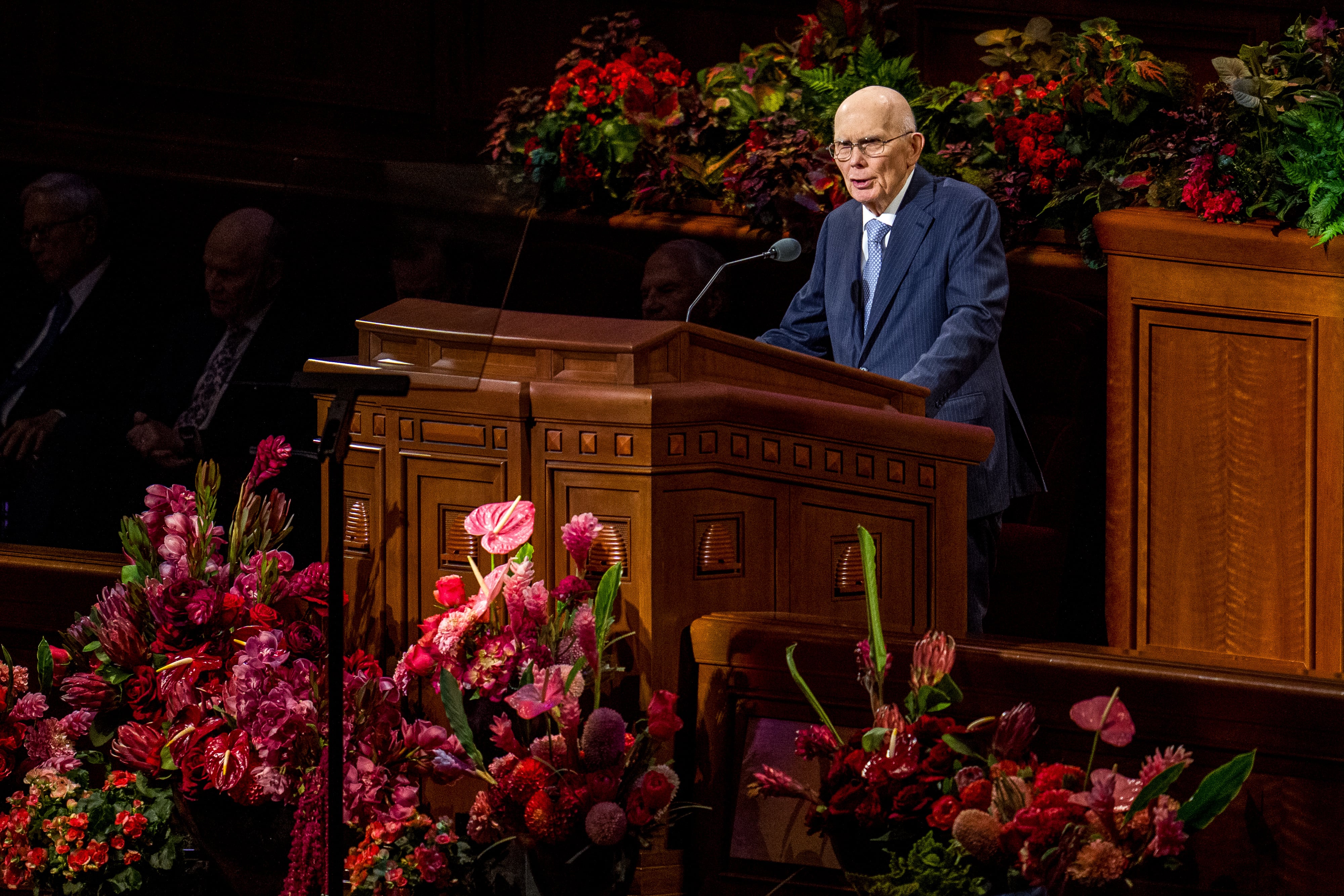
During the recent October General Conference, members of The Church of Jesus Christ of Latter-day Saints were taken aback when the newly appointed leader, Dallin H. Oaks, made the unexpected decision not to announce any new temple constructions. Traditionally, these conferences serve as pivotal moments wherein church leaders reveal plans for new temples, which hold great significance for members of the faith. As a result, this shift is seen as a departure from a long-standing practice that has been anticipated by millions worldwide.
Dallin H. Oaks, who has taken on the mantle of leadership following the passing of former President Russell M. Nelson, has emphasized a period of reflection and reassessment in the church’s approach to temple building. This absence of announcements has led to much speculation among congregants and observers alike regarding the underlying rationale. While many have been accustomed to regular temple announcements, particularly during the biennial conferences, Oaks' approach signifies a potential shift in priorities as the church navigates complex challenges.
One possible explanation for this new direction may be attributed to the church's focus on existing temple facilities and their operational needs. With over 170 temples already in operation and more on the way, church leaders might be assessing how best to serve their congregations rather than solely prioritizing new constructions. Additionally, ongoing global events and their impact on travel and resources could have played a role in this decision.
The absence of new temple announcements has raised discussions about how members view their faith and rituals associated with temples. Temples represent sacred spaces that foster spiritual growth and community engagement, making any shift in their development a significant topic of conversation within the church community.
As the church transitions under Oaks' leadership, many members will be closely observing possible changes in the mission and strategies of the church. Moving forward, the direction taken by Oaks and his fellow leaders will undoubtedly shape the future of temple worship and outreach, paving the way for possible new initiatives that focus on the spiritual needs of their members in an ever-evolving world.