politics
Here’s why Utah’s auditor dropped the lawsuit she just filed over efforts to evict her from her Capitol office
Utah Auditor Tina Cannon, the first woman elected to the role, filed and then withdrew a lawsuit against the Capitol Preservation Board, which sought to evict her from her office. This incident underscores the complex dynamics between elected officials and state governing bodies.
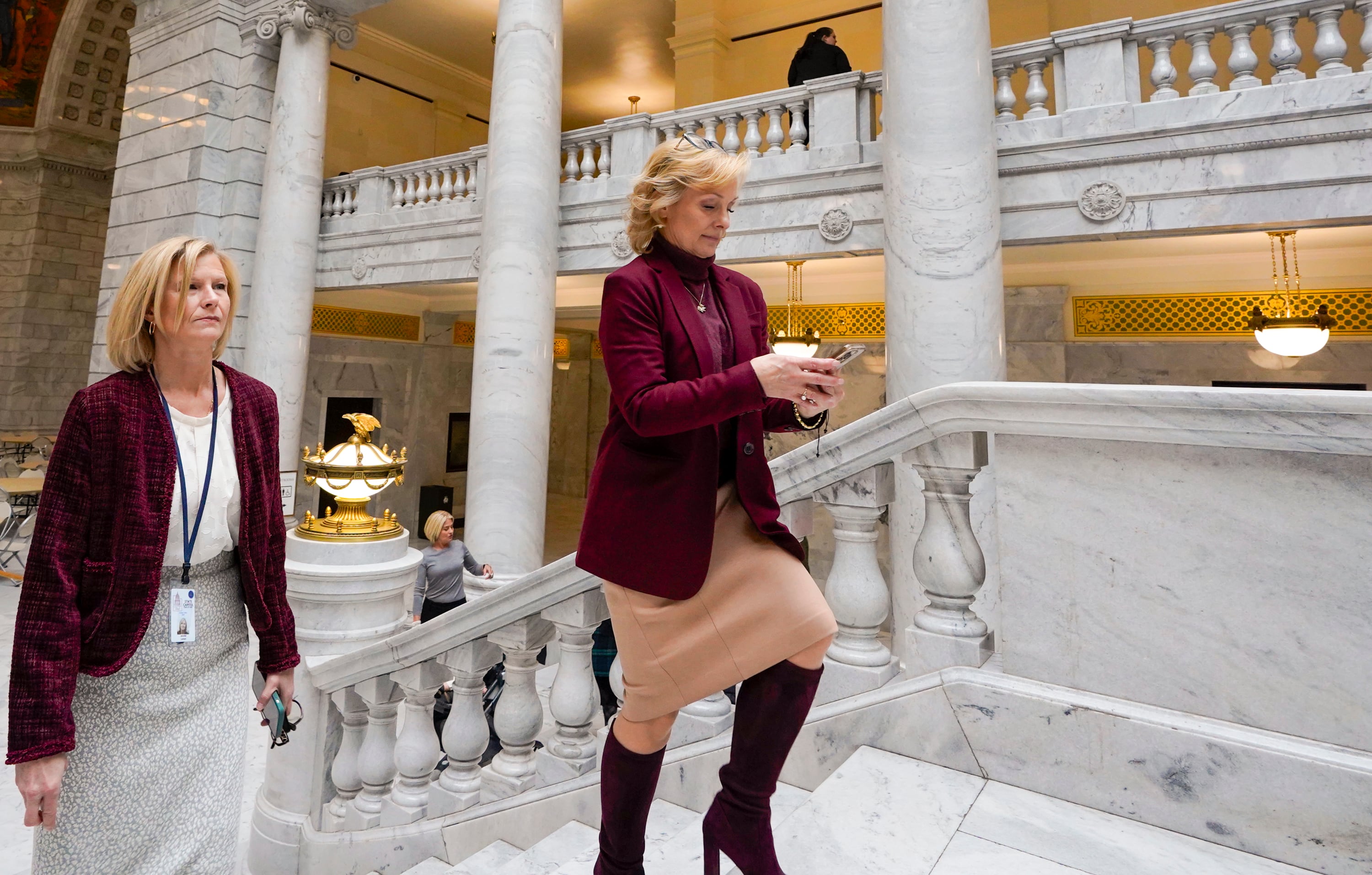
In a surprising turn of events, Utah Auditor Tina Cannon, the first woman elected to this prestigious position, initially filed a lawsuit against the Capitol Preservation Board, which manages the state Capitol and its grounds. This lawsuit came in response to ongoing efforts by the board to evict her from her office located in the main Capitol building. However, Cannon made the decision to withdraw her lawsuit shortly after its filing, raising questions about the circumstances surrounding this development.
The conflict traces back to a series of actions taken by the Capitol Preservation Board aimed at reshaping the offices within the Capitol. These efforts reportedly included attempts to displace Cannon and other long-serving officials from their workspace. With the state's oversight of the Capitol being a politically charged issue, the backdrop of this dispute highlights the tensions between operational oversight and political autonomy.
Cannon's swift retraction of her legal claims has sparked conversation among political analysts and observers alike. Many speculate that internal dynamics and potential negotiations with state officials could have influenced her decision to drop the suit so quickly. The challenge of navigating the political landscape while advocating for independence and accountability within state government is oftentimes fraught with complexities.
Furthermore, the implications of this incident extend beyond Cannon's personal situation as it raises broader questions about the rights of elected officials and the pressures they face from governing bodies. Several lawmakers and political advocates have come forth to express their concerns that such actions by the Capitol Preservation Board may set a troubling precedent for future governance in the state.
As discussions continue regarding the authority and jurisdiction of the Capitol Preservation Board, Auditor Tina Cannon is now navigating a challenging path forward. Her experience as the first female auditor in Utah's history places her in a unique position to potentially influence policy changes regarding office space management and the treatment of elected officials.
This ongoing saga serves as a reminder of the complexities and challenges faced by public officials in striving for autonomy while remaining aligned with state regulations and boards. The incident offers a revealing look into the interplay between state governance and the role of elected individual representatives in shaping policy and public administration.